
You built your funnel in Keap. Tags, automations, the whole sequence fires the moment a lead fills out a form. Then you go to turn on Keap's own Text Marketing so those leads get a text instead of just an email, and either the application sits in review for weeks or it comes back rejected outright. If you run a credit repair shop, a collection agency, a short-term lender, or anything touching cannabis or CBD, this isn't a fluke. Keap's own compliance policy names your industry directly.
This is about what to do next: what Keap actually blocks, why, and the specific steps to route those same contacts through a different SMS channel without rebuilding your CRM.
What Keap's Text Marketing Won't Send For You
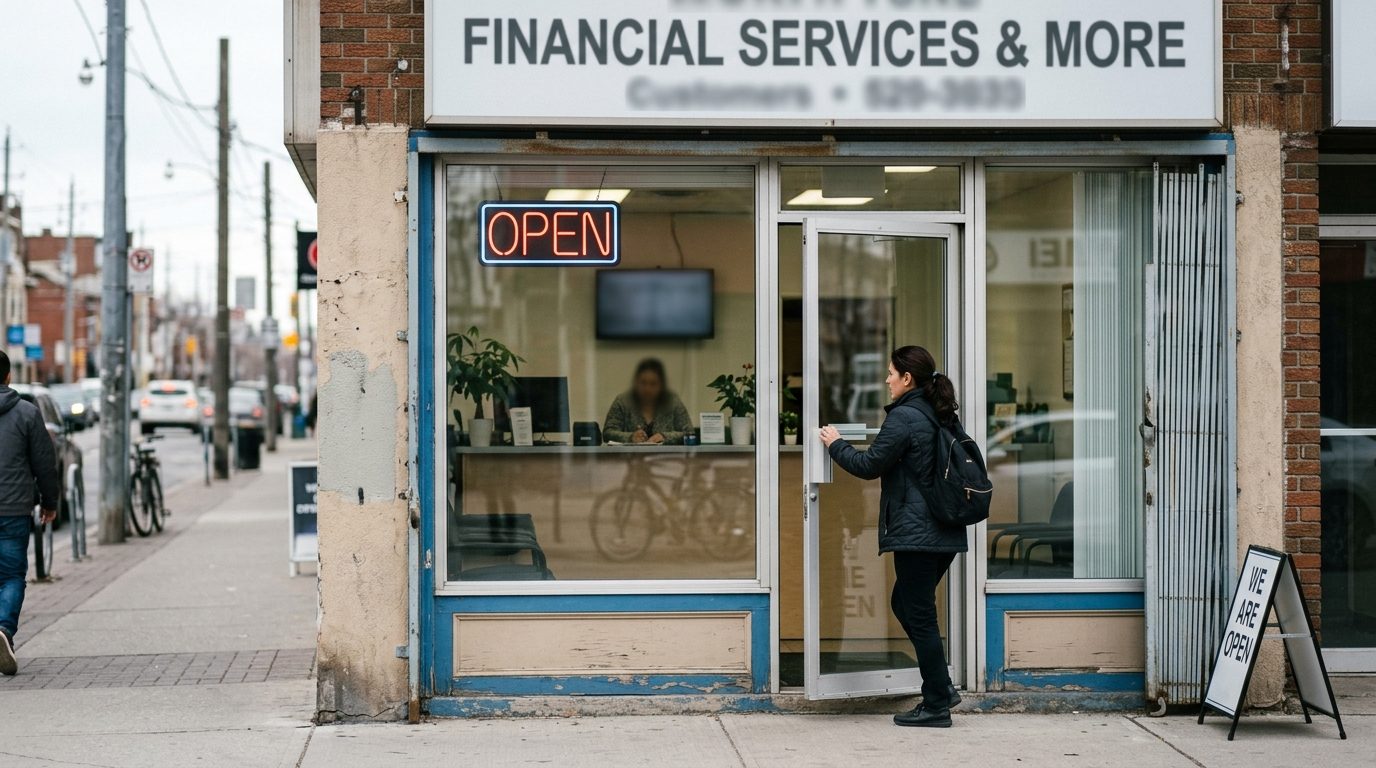 Keap (the company merged into Thryv) publishes its SMS and voice compliance policy at thryv.com/policies/voice-text. It bans, by name, "controlled substances, including marijuana, cannabis, or CBD, even where legal," plus "SHAFT-E" content (sex, hate, alcohol, firearms, tobacco, or explicit/adult material). Separately, and more specifically for this audience, it bans loan and mortgage advertising, credit repair offers, and "debt relief and debt collection attempts."
That list covers a meaningful chunk of the businesses that use Keap for everything else in the funnel: application forms, pipeline stages, invoicing, follow-up sequences. The CRM works fine. The texting feature bolted onto it doesn't, because it isn't really a Keap feature. It's a carrier-gated messaging product with Keap's UI on top.
Why: It's an A2P 10DLC Product, Not a Phone
Keap's own policy spells out the mechanism: "All businesses sending A2P commercial text messages using 10-digit long code numbers in the United States are required to register," meaning a Brand and a Campaign filed with The Campaign Registry (TCR) before a single message goes out. That's Application-to-Person 10DLC, the carrier-mandated vetting layer that Verizon, T-Mobile, and AT&T built specifically to filter business texting traffic before it reaches a phone.
Once your Campaign is registered under a category, the carriers filter every message against it. Register as "credit repair" (if Keap even lets the application through) and you're one of the categories carriers throttle hardest. Register as anything touching cannabis or CBD and you likely don't get approved at all; Keap's policy makes clear some rejections in these categories are treated as final rather than something you can resubmit and fix, according to Keap's own Text Message Broadcast & Automation FAQ.
This isn't Keap being difficult. It's the same 10DLC gate that Twilio, Bandwidth, and every other aggregator apply, because the carriers require it upstream of all of them.
The Fix Is a Different Channel, Not a Workaround
Android Texter routes outbound SMS through a phone you actually own, running the Android Texter app, sending on its real carrier line. That's person-to-person SMS, the same category as texting a friend, and A2P 10DLC simply doesn't apply to it. There's no Brand to register, no Campaign to get rejected, no category filter sitting between your message and the carrier network.
None of that touches the Telephone Consumer Protection Act. TCPA governs who you can text and what you can send them, and that law doesn't care what channel carries the message. Get consent, keep a record of it, and honor STOP the same way you would on any other line. Wrong-number liability under the TCPA is real money right now: a class of consumers who said they'd never consented just won $9.375 million from Concora Credit over the same reassigned-number theory, and that theory applies to texts as easily as calls, per TCPAWorld's coverage of the settlement. Switching channels changes who's willing to carry your message. It changes nothing about your consent obligations.
Wiring Keap to Android Texter
 Keap's automation engine has its own outbound webhook step, called Send HTTP Post, sitting right in Campaign Builder. It looks like the obvious bridge, but there's a specific reason it won't work here: it has no field for custom headers. A Keap product manager confirmed this directly in the Keap integration forum: "Campaign HTTP posts don't allow configuration of headers." Android Texter's API authenticates every request with an
 X-API-Key header, so a bare Keap HTTP Post can't call it on its own.
The fix is one small piece of middleware between the two, and Zapier is the fastest way to build it because Keap's Zapier integration already ships instant triggers for exactly this.
- In Keap, keep your existing automation logic. At the point where you'd normally trigger Keap's own text step, apply a tag instead, something like
send-sms. - In Zapier, create a Zap with the trigger "New Contact Tag (Instant)" on the Keap app, filtered to that tag.
- Add a "Webhooks by Zapier" action, set to POST, pointed at
https://androidtexter.com/api/v1/messages/send. - Set the header
X-API-Keyto your Android Texter key (generated at/dashboard/settings/api-keys, prefixedatx_), and map the contact's phone number and your message text into the JSON body. - Turn the Zap on and test it by applying the tag to a contact manually.
The message sends from your paired Android phone, on its own number, as an ordinary text. You can also queue it for later with a scheduled timestamp, or send to a device you've picked by name if you've got more than one phone paired, both handled the same way through the API.
If you'd rather not use Zapier, Make and n8n work the same way, both support custom headers on their HTTP request steps, and either can sit in this exact spot.
Getting Replies Back Into Keap
 Outbound is half the job. When a lead texts back, you want that reply visible where you already work, not buried in a separate inbox.
Android Texter can push inbound messages out as they arrive instead of making you poll for them: register an HTTPS endpoint with POST /api/v1/webhooks, subscribe to the message.received event, and you'll get a signing secret back to verify each delivery. Point that endpoint at a Zapier "Catch Hook" trigger, and a second Zap can take it from there, matching the sender's number to a Keap contact and adding a note or applying a "replied" tag so your team sees it in the same record they already work leads from.
What This Doesn't Change
Android Texter doesn't review your message copy, doesn't underwrite your consent records, and doesn't tell you a given text is compliant. That's true of every SMS provider, and it's worth saying plainly rather than implying otherwise. The channel is open because P2P SMS isn't subject to carrier-level industry gating. The TCPA is a federal statute, not a carrier policy, and it applies exactly the same regardless of which app sent the message.
If you're in credit repair or debt collection specifically, that also means keeping records of prior express consent, watching contact-frequency limits if your state or the CFPB imposes them on your category, and treating every "STOP," "UNSUBSCRIBE," or "CANCEL" reply as an immediate, permanent suppression, not a maybe.
Frequently Asked Questions
Can I use Keap's Text Marketing for some contacts and Android Texter for others?
Yes. Nothing about wiring a tag-triggered Zap into Keap requires turning off Keap's native texting for contacts where it already works. Run both in parallel: Keap's feature for categories it approves, the tag-and-webhook path for the contacts it won't send to.
Does switching to Android Texter reduce my TCPA risk?
No, and don't operate as if it does. TCPA liability attaches to the message and the consent behind it, not the sending channel. A P2P text sent without consent carries the same statutory exposure, $500 to $1,500 per violation, as an A2P text sent without consent.
Why can't I just point Keap's HTTP Post step straight at the Android Texter API?
Because Keap's HTTP Post step has no field for custom headers, confirmed directly by Keap's own integration team, and Android Texter's API requires an X-API-Key header on every request. A middleware step like Zapier, Make, or n8n that does support custom headers has to sit between the two.
What if my Keap Text Marketing application is still pending?
It doesn't matter either way. The tag-and-webhook setup described here doesn't touch Keap's Text Marketing feature or its TCR registration status at all. It's a separate channel running through your own phone, so a pending, rejected, or never-submitted Keap application has no bearing on it.
Will my contacts notice anything different?
Only that texts now come from a different 10-digit number than any Keap-branded messages you've sent before. The message itself arrives as an ordinary text with no gateway branding, the same way it would from any personal phone.
If Keap's own Text Marketing has told you no, the problem was never your business, it was the carrier category Keap has to file you under. Android Texter sends from a phone you own instead of a registered campaign, so that filter doesn't apply, and the Keap side of your funnel doesn't have to change at all.