
You signed the purchase agreement at four o'clock. The inspection period gives you ten days to find a buyer, and the assignment fee is mostly decided in the first two hours. If the right thirty buyers see the deal tonight, you get three walkthroughs tomorrow and offers by Thursday. If the alert goes to all 800 names at 9 p.m., you get four replies, two of them asking for the address again.
This is the buyer-side playbook: how the list is cut, what the deal alert says, how the DEAL reply and showing text run from one phone, when the deadline text goes out, and what the buyers who did not win should hear. Seller prospecting has its own playbook.
Three lists, one phone
A buyers list that is one list is why the alert underperforms. Tag every buyer on four things: the areas they buy in, what they buy (flips, rentals, land, small multifamily), their price band, and whether they are proven, meaning they have closed with you or have proof of funds on file.
That gives you tiers for each deal. Tier 1 is proven buyers whose buy box matches the property. Tier 2 is matched but unproven. Tier 3 is the rest. The alert goes to Tier 1 first and widens only when Tier 1 has not produced two walkthroughs.
Keep the buyers list on its own paired Android handset, separate from the phones that run seller outreach. Buyers opted in and reply often, so that line builds a clean reputation and keeps the same number for years. On Android Texter, pin every buyer contact to that device so a broadcast never rotates onto a seller phone. One handset carries 100-200 sends a day.
Message 1: the deal alert
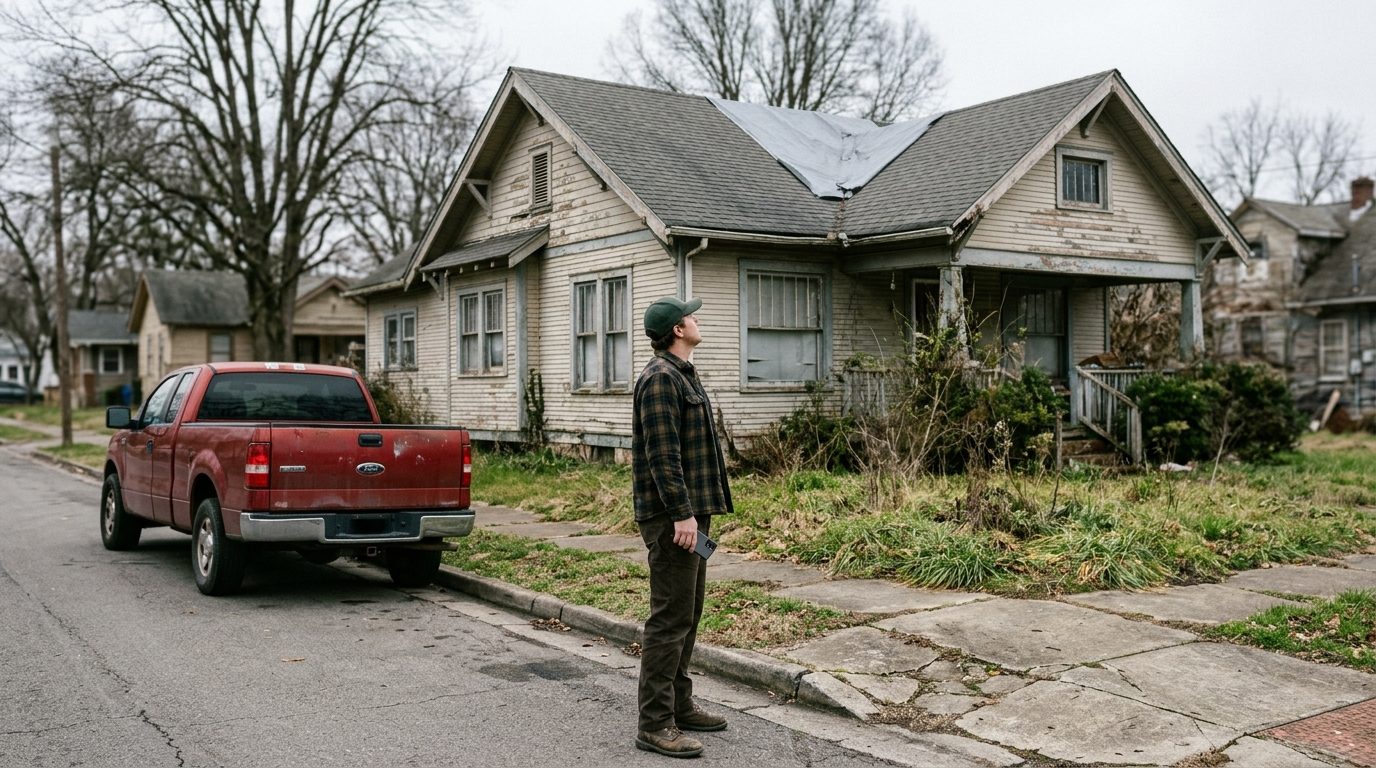 The alert takes ninety seconds if the deal sheet exists and forty minutes of back-and-forth if it does not. Before you open the composer, have the after-repair value and comps behind one link, the repair estimate with the one big item named, a single asking price, access (a lockbox code or one two-hour walkthrough window), earnest money and title company, the close-by date, and an offer deadline that is a weekday and a time of day.
Trigger: the contract is signed and the deal sheet is complete. Before 6 p.m., Tier 1 gets the alert within the hour; later, it waits for the 9 a.m. to noon block the next morning in the buyers' time zone. Tier 2 follows the next morning only if Tier 1 has not booked two walkthroughs, and Tier 3 only if the deal is unassigned after 48 hours.
[First name], new assignable contract in [neighborhood, city]. 3/2 SFR, about 1,400 sq ft, cosmetic plus a roof. ARV around $[X], comps in the link. Asking $[Y] cash, close by [date]. Walkthrough [Tue] 10-11am. Reply DEAL for the address and access. [link]. Reply STOP to opt out.
Send the batch from the dashboard broadcast or one API call, which takes up to 500 numbers at a time. On no reply, send nothing: a second alert for the same property reads as a deal that is not moving. The one exception is a price drop, which is a new alert with a new number in it.
Message 2: the DEAL reply and the showing text
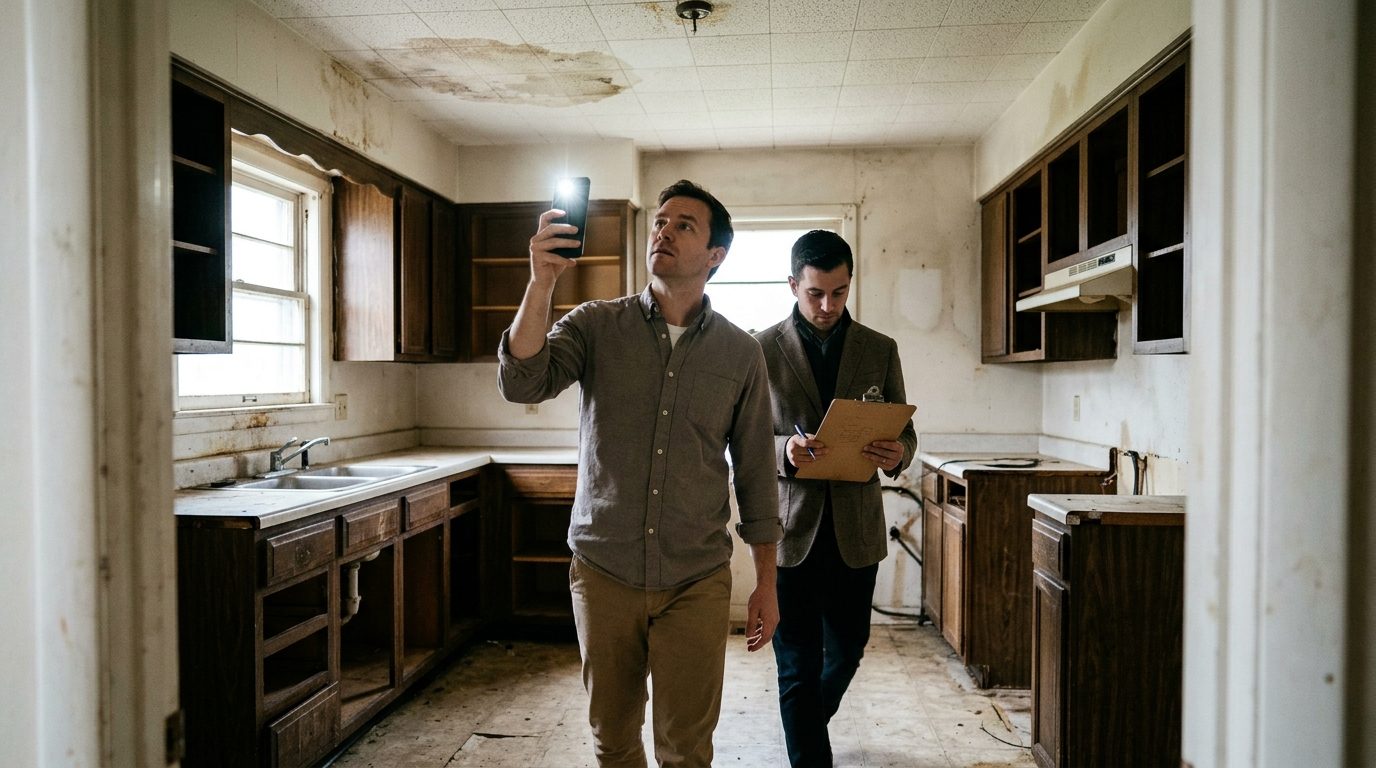 The DEAL keyword keeps the alert short and sends the address only to people who asked. An auto-reply rule on the buyer line lands it in seconds, the difference between a buyer driving past tonight and forgetting by tomorrow:
Thanks. [Street address]. Lockbox [code] on the back door, or walkthrough [Tue] 10-11am, meet [dispo name] out front. Offers due [Thu] 5pm. EMD $[amount] to [title company] within 24 hours of acceptance, close by [date]. Questions? Reply here and a person answers.
From that moment one person, the dispo manager, owns the thread, with a fifteen-minute reply time during business hours for the next 72 hours. Load four quick replies before the first alert: /arv expands to the comps summary and link, /access repeats the lockbox or window, /terms restates earnest money, close date and assignment structure, and /sold is the close-out below.
The evening before the walkthrough, every buyer who replied DEAL gets a confirmation, sent by hand from the thread:
See you tomorrow 10-11am at [address]. Side gate, lockbox on the back door. Bring your roofer if you want your own number; mine will be there. Reply if your time changes.
Message 3: the deadline text
Trigger: 24 hours before the offer deadline. It goes only to buyers who replied DEAL or walked the property. To the rest of the list a deadline is noise.
Highest and best on [address] is due tomorrow 5pm. [N] buyers have walked it. Cash, as-is, close by [date], EMD $[amount]. Reply with your number here or call me. Offers after 5pm go to the backup list.
The walkthrough count has to be true. Buyers in a market talk to each other, and a dispo line that inflates interest once gets ignored for a year. On no reply, send nothing before the deadline. After it passes, a buyer who walked but did not offer gets one question, by hand: what number would have worked? That answer reprices your next deal in that area.
Message 4: assigned, and the close-out everyone else gets
Two texts go out the moment the assignment is accepted. The winner gets next steps with a reply hook, so you know the earnest money is moving:
Accepted at $[price]. [Title company] is emailing the assignment agreement tonight. EMD $[amount] is due to them by [time tomorrow]. Close [date]. Text me when it is sent.
Everyone else who replied DEAL or walked the property gets the close-out, the most important retention text you send:
[Address] is assigned. Thanks for coming out. The next one in [area] goes to this list first. If your buy box has changed, reply with area, price and type and I will update it.
Buyers stay on a list because it closes the loop; one who walked three properties and never heard what happened to them stops driving out. Name a backup buyer at the same time and tell them in one line that they are next if earnest money does not land.
Pruning the list without losing the quiet buyers
A buyer who has not replied DEAL in 90 days is out of the market, buying elsewhere, or still watching. Once a quarter, each of them gets one text:
Still buying in [county]? Reply with your buy box (area, price, type) and you stay on the first-alert list. Reply STOP to come off.
Schedule those from the composer's scheduled-send picker, about 50 a day across a week rather than 400 on a Monday. Anyone who replies gets their tags updated and stays in Tier 2; anyone who does not moves to a monthly tag or is removed. Consent for new buyers is captured the same way, in writing, in the first exchange. A list of 300 buyers who reply beats 1,200 who do not.
What the week looks like, and what to measure
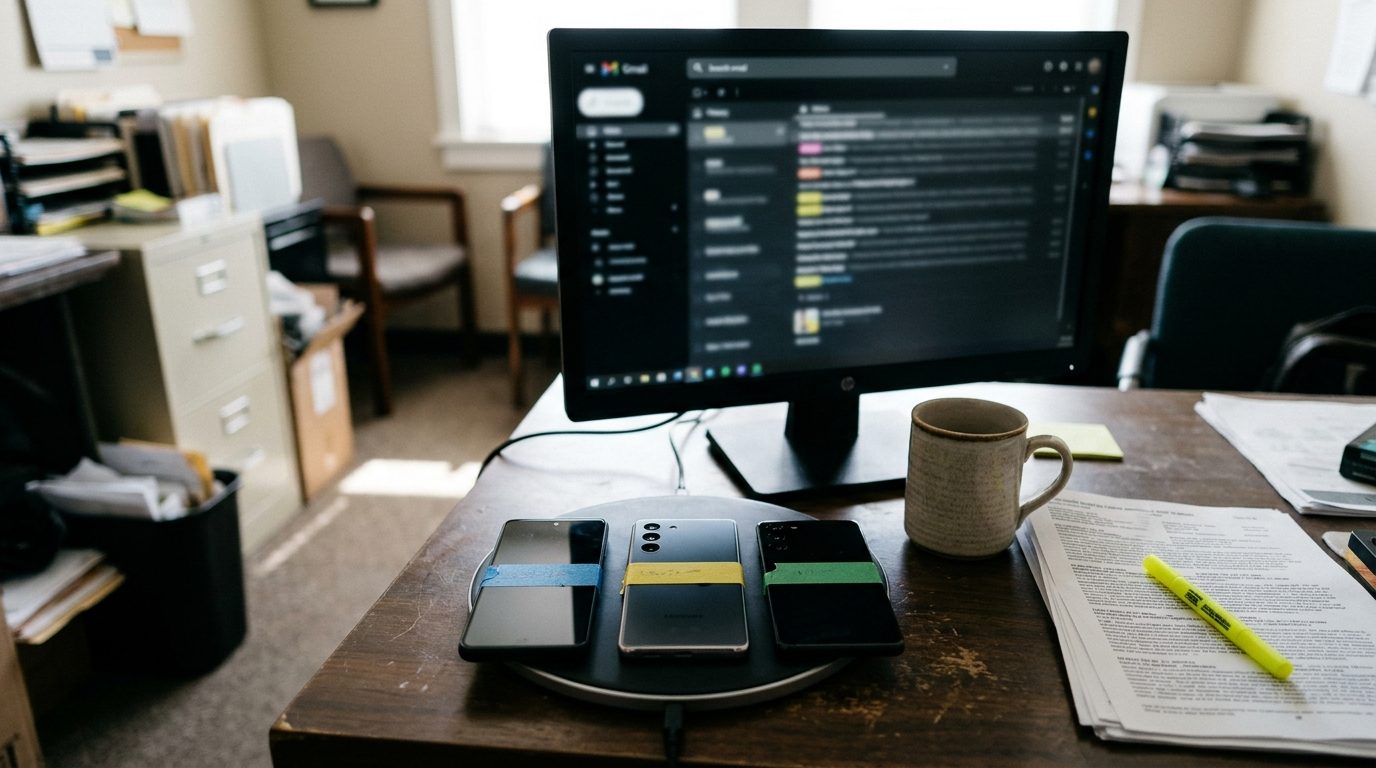 Monday is list work: tag updates and the 90-day check-ins scheduled. Alerts, walkthroughs and deadlines land Tuesday to Thursday, because a Friday deadline gets ignored and a Monday one gets missed. Friday is close-outs and the question to buyers who walked but did not offer.
Per deal, write down five numbers: DEAL replies per 100 alerts, walkthroughs per DEAL reply, offers per walkthrough, hours from alert to accepted assignment, and opt-outs per alert. Many DEAL replies but few walkthroughs means the price or the access is wrong. Few DEAL replies on a well-priced deal means the tiering is wrong or the list has gone numb from getting every alert.
The rules that change what you send
Two bodies of law shape these templates, and neither cares which phone sends the text. The first is consent. A buyers list is a marketing list of wireless numbers, so the TCPA applies in full. Capture consent in writing at intake, keep the record, and honor STOP the same day. Android Texter does not suppress opted-out numbers for you: an auto-reply rule can match the STOP keyword and send a confirmation, but removing that contact from every tag and tier is a step you build and own. What counts as an opt-out is in our TCPA opt-out rules article, and the wholesaler consent picture is in the wholesaling SMS compliance article. Sending from a handset does not reduce that exposure.
The second is state wholesaling law, which changes what the alert may say. South Carolina's revised Real Estate Practice Act defines wholesaling as holding a contractual interest in residential real estate and marketing the property before taking title, and treats it as brokerage requiring a license. The exception at section 40-57-135(E)(1) permits advertising a contractual position only when the ad does not imply, suggest or purport to market the underlying property. The Real Estate Commission's advisory opinion of November 14, 2024 says that for an unlicensed person, a photo, the address, bed and bath count, square footage, condition or even the neighborhood would likely cross that line. Sent by an unlicensed wholesaler in South Carolina, the Message 1 template above is what the opinion describes.
Pennsylvania went another way. Act 52 of 2024, in force since early January 2025, puts anyone who engages or attempts to engage in a wholesale transaction inside the statutory definition of a broker, and gives the seller a non-waivable right to cancel until midnight of the thirtieth day after signing or until conveyance, whichever comes first. A Pennsylvania assignment is not safe until it conveys, and your buyer should be told the seller holds that right.
Other states, including Oklahoma and Illinois, have their own rules. None of this is legal advice. Before a template goes into the quick-reply set, have counsel in the property's state read it.
Frequently Asked Questions
How many buyers should get the first deal alert?
Only Tier 1: proven buyers whose area, asset type and price band match the property, usually 20 to 60 people. Widen to Tier 2 the next morning if fewer than two walkthroughs are booked, and to the full list only if the deal is unassigned after 48 hours. The whole list every time is what makes a list go quiet.
Should the address be in the deal alert?
Not in the first message. The DEAL keyword hands the address and access only to buyers who asked, which keeps the alert short and gives you a count of real interest per deal. In South Carolina the Real Estate Commission says an unlicensed person should not be marketing the address or property details at all, so check state law first.
How often can I text my cash buyers list?
Only when a deal matches a buyer's tags, plus one check-in a quarter for buyers who have gone quiet. A matched buyer can hear from you three times in a week when you have three deals and not at all for a month when you do not. Frequency tied to deals keeps opt-outs low; a weekly "anything coming?" text does the opposite.
Can buyers and sellers run from the same phone?
They can, but keep them apart. Seller outreach gets the wrong-number and STOP replies that are normal for cold work, while the buyers line is opted-in and high-reply and its number should stay constant for years. One paired handset per job, with buyer contacts pinned to the buyer device, keeps the two reputations separate in one inbox.
Run dispo from the phone that is already in your pocket
Pair one Android handset as the buyers line in Android Texter, build the DEAL auto-reply before the next contract is signed, load the four quick replies, and schedule the 90-day check-ins so they go out whether or not anyone remembers. The deal alert then takes ninety seconds and the dispo manager spends the inspection period in one inbox. Consent, STOP handling and your state's wholesaling rules stay yours, as they would on any line.