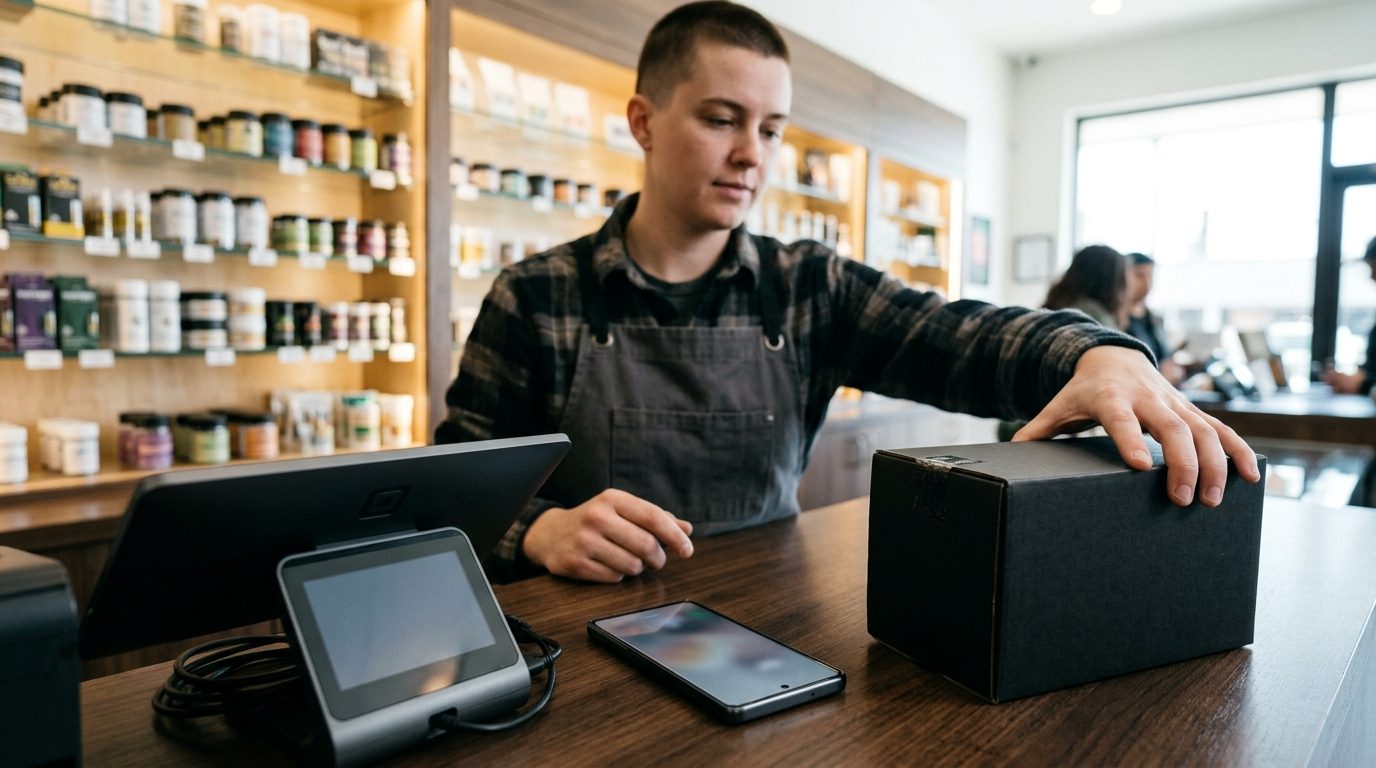
A pallet of a brand you have been chasing for six months lands Thursday. You have about 1,400 customers who ticked the box for texts at the counter, and a budtender crew that will be slammed from noon on. The question is not whether to text them. It is what to say, who should get it, when it goes, and what the second message says on Friday morning when half the drop is still on the shelf.
This is the drop-day playbook for a dispensary running SMS off a phone the shop owns: the three-message sequence, the segments, the budtender inbox, and the menu-change text Ohio shops needed last week. Consent gets one section near the end. For the rules picture, we already wrote why carriers block dispensary texts.
The week around a drop: three messages, not one
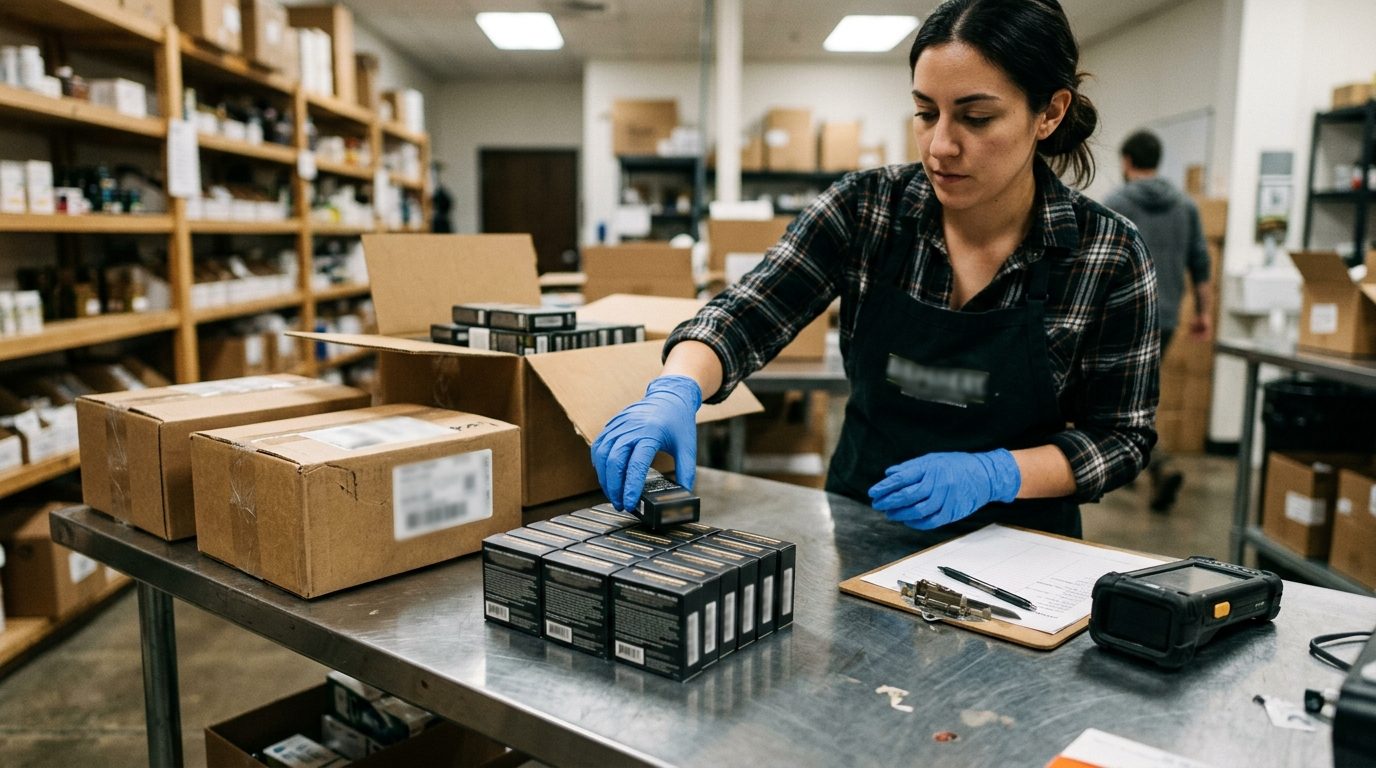 Most shops send one text on drop day to the whole list and wonder why the list goes quiet by month three. The fix is a short sequence with a job for each message, sent to fewer people.
Day before, 4-6 p.m. A heads-up to customers who have bought that category before. It names the brand and the day and asks for nothing.
Drop day, 10-11 a.m. The drop text, to the same segment plus anyone who replied to the heads-up. It confirms the product is on the shelf now, states the price or opening deal once, and gives one way to act: come in, or reply to hold one.
Next morning, 9-10 a.m. The follow-up, only to people who did not reply or redeem. It reports what is left, which is honest and also urgent, and it says it is the last message about this drop.
Hold the sequence to three. A fourth message about the same product is where the list stops reading as a person and starts reading as a feed.
Who gets the text: segment by what they buy
A customer who only buys edibles does not want a live resin drop, and three of those texts in a month is how you lose them. Build segments from purchase history, as three to five tags per contact:
- Category tags: flower, vape, concentrates, edibles, beverages, topicals. Tag on first purchase in the category.
- Medical vs. adult-use. In Ohio the new package rules leave medical patients a 55 mg edible serving limit against 10 mg for adult-use, so a text about a 50 mg gummy is relevant to one group and noise to the other.
- Brand loyalists. Three purchases of the same brand earns a brand tag. These people see the heads-up first.
In Android Texter the tags live on the contact record and the broadcast composer picks recipients by tag. For a shop with 1,400 opted-in customers, a drop text usually goes to 200-500 people, and the whole list hears from you perhaps twice a month.
The templates
Each template lands as one message, names the shop so the number is never a mystery, and carries an opt-out line on anything promotional.
1. Day-before heads-up (trigger: inventory received and verified; send to category and brand segments)
[Shop] here. Heads up: [Brand] [product] lands tomorrow, first time we have carried it. Doors at 10. No need to reply, just wanted you to know first. Text STOP to opt out.
2. Drop morning (trigger: product on the shelf; send 10-11 a.m. to the same segment plus anyone who replied to message 1)
[Shop]: [Brand] [product] is on the shelf now. [Price or opening deal, one line]. Reply HOLD and your first name and we will set one aside until close today. Text STOP to opt out.
3. Next-morning follow-up (trigger: 24 hours after message 2; send only to non-responders who have not redeemed)
[Shop]: about a third of the [Brand] [product] left after yesterday. Same price through Sunday. Last text about this one. Text STOP to opt out.
4. Hold confirmation (trigger: inbound HOLD reply; sent by the budtender from a quick reply)
Got it, [Name]. One [product] set aside under your name until we close at [time]. Bring your ID. See you soon.
5. Menu change forced by regulation (trigger: a rule change pulls products or changes package sizes; send to the whole list once, the day before it takes effect)
[Shop]: state rules change on [date]. [Plain statement of what is leaving, e.g. "Edibles over 100 mg per package will no longer be sold to adult-use customers; medical patients are not affected."] Our budtenders can walk you through what replaces it. Text STOP to opt out.
The budtender inbox on drop day
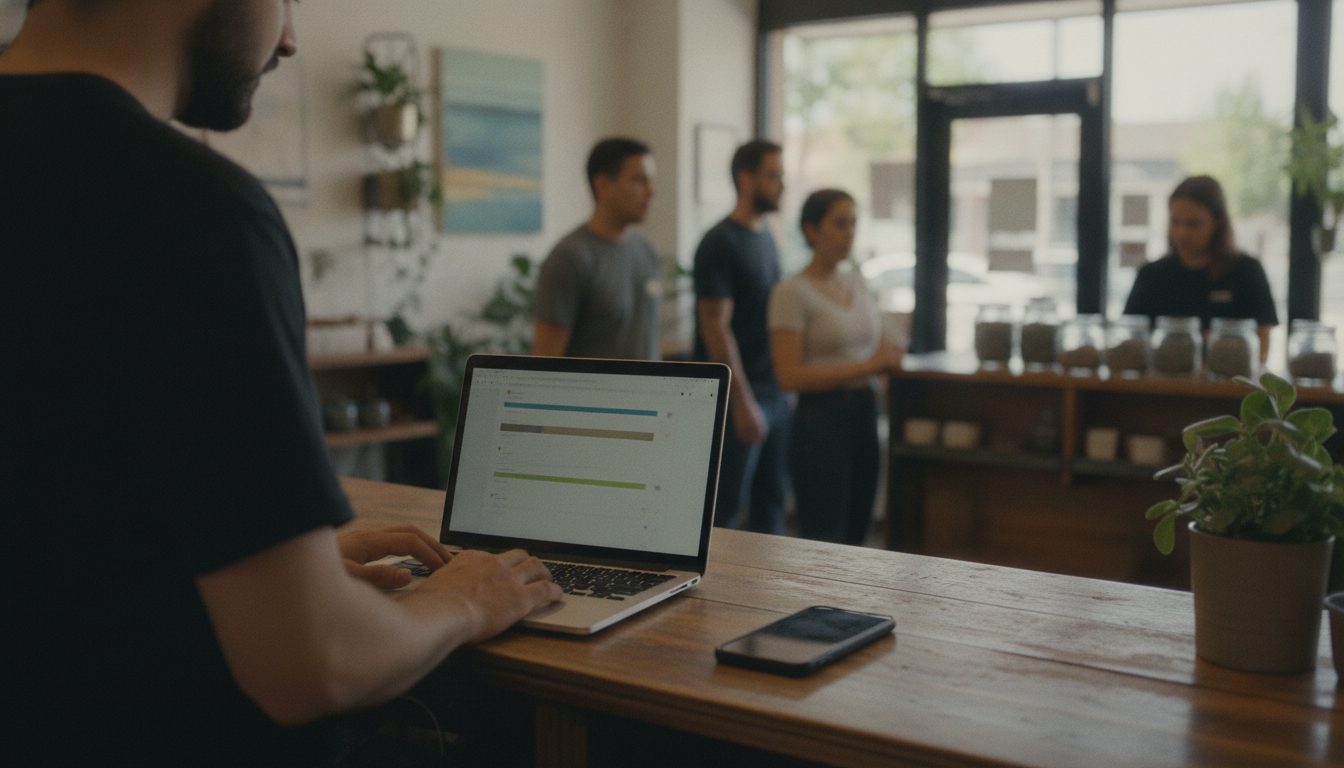 The drop text works. That is the problem. A text to 400 people at 10:15 produces replies from 11 a.m. onward, right as the line forms, and if they land on a phone in a drawer, the HOLD requests are the ones you miss.
Give the inbox an owner: one named person on the register nearest the back. They watch for HOLD replies, stock questions, and anything that reads as a complaint, and leave the rest for the afternoon lull.
Build four quick replies before the first drop:
/holdexpands to template 4, with a blank for the name./stockexpands to "Still have it as of [time]. It is moving, so come by before close."/hoursexpands to the day's hours and the address./medexpands to "That one is medical-only here. Bring your card and we will sort you out."
In Android Texter these are slash shortcuts in the composer and on the paired phone. Two automations take more weight off: an auto-reply rule on HOLD acknowledges the request instantly, and a forwarding rule mirrors anything containing "refund" to the manager's phone or a Telegram channel, so a problem does not sit behind forty HOLDs.
Tag redemptions at the counter. When someone picks up a hold or mentions the text, the budtender adds a "redeemed" tag to the contact, which keeps them out of the next-morning follow-up. Without it you text people who already bought, and a regular remembers that.
Sending from one handset without looking like a burst
Android Texter sends from a real Android phone on a real carrier line, so the traffic is person-to-person SMS and is not subject to the A2P 10DLC registration that keeps cannabis off mainstream platforms. The flip side: a phone firing 400 identical texts in ninety seconds does not look like a person.
Three habits. Stagger the drop text: brand loyalists first, the category segment twenty minutes later. Pair a second phone when the list grows: one account can pair several handsets and pin a broadcast to one of them, and the working figure we use elsewhere is roughly 100-200 sends per handset per day. Schedule the next-morning follow-up the night before, from the composer or the API.
If a cannabis-specific platform already delivers for you, this sequence works there too.
Measuring a drop without a dashboard
Four numbers: replies within two hours of the drop text, redemptions by close on drop day (from the redeemed tag), sell-through by day three against a similar product you did not text about, and opt-outs per send. If the third message consistently produces more opt-outs than the first two combined, send it to fewer people. Write the four down every drop, and after five or six you will know what moves product in your shop.
When the shelf changes under you: Ohio, October 2026
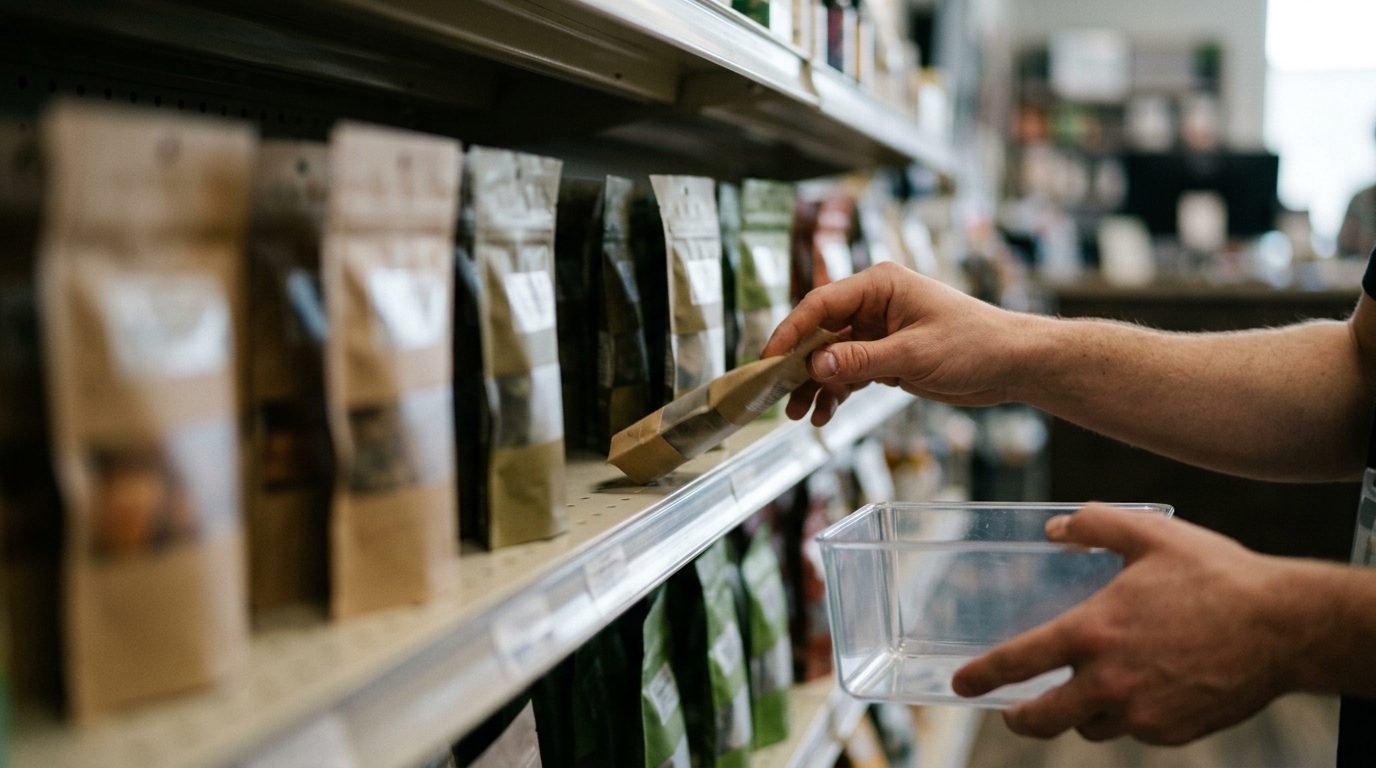 The best recent example of why template 5 belongs in the drawer comes from Ohio. The Division of Cannabis Control's new package limits, set out in Ohio Administrative Code rule 1301:18-4-06, took effect October 5, 2026. Flower is capped at one ounce per package. Vape packages hold at most three devices, each no more than two grams and 90 percent THC. Adult-use edibles are limited to 10 mg per serving and 100 mg per package; medical edibles may carry 55 mg per serving. There is no sell-through provision for inventory already on the shelf.
For a shop, that meant products legal on Sunday could not be sold on Monday, and the customer who came in for last month's 500 mg bag of gummies needed an explanation at the counter. Zachary Bradford, co-owner of Ohio Cannabis Company in Columbus, told WSYX that his store sold through most of its stock before the change but still had to destroy some product, and that "the changing of all these rules all the time are confusing customers for sure."
One text to the full list the day before, in the shape of template 5, handles most of that confusion before it reaches the counter. The pattern will come up again: the federal hemp definition changes on December 11, 2026, and shops carrying hemp-derived products will need a version of the same text.
Consent, age, and opt-out: the part that does not change
None of the above changes what the law requires, and a phone-based channel does not reduce your exposure under the Telephone Consumer Protection Act.
Consent. Marketing texts to a mobile number require prior express written consent under 47 CFR 64.1200(a)(2). The sign-up happens at the counter or on your own form, says you will text about products and deals, and you keep the record. A loyalty enrolment that never mentioned texting is not consent to text.
Age. The list must be age-gated to your state's adult-use minimum, which is 21 in Ohio under Ohio Revised Code Chapter 3780. The counter already checks ID, so the sign-up should happen after that check.
Opt-out. Under the same rule, a customer can revoke consent by any reasonable method and the request must be honoured within ten business days. In practice, honour it immediately. Android Texter treats STOP, UNSUBSCRIBE, CANCEL, END and QUIT as automatic suppression, and "take me off the list" said at the counter deserves the same treatment. We covered what counts as a valid opt-out separately. Product claims are set by your state regulator, and we do not give legal advice on any of it.
Frequently Asked Questions
How often should a dispensary text its customers?
Segment by segment, no more than three messages about a single drop, and the whole list no more than about twice a month. A regular who buys vape cartridges should hear about vape drops and shop-wide changes, nothing else. Opt-outs per send tells you if you are overdoing it.
What time of day should a dispensary send a drop text?
Mid-morning on drop day, between 10 and 11 a.m., once the product is on the shelf. The heads-up the day before goes late afternoon, and the follow-up goes the next morning. Avoid evenings: a late text about a product nobody can buy until tomorrow earns replies you cannot act on and opt-outs you did not need.
What should the follow-up text say if a drop has not sold?
Report what is actually left ("about a third left"), repeat the price once, say it is the last message about that product, and send it only to people who did not reply or buy. Honest scarcity beats manufactured urgency, and the promise that it is the last text keeps opt-outs low.
How do I keep track of who redeemed a drop text?
Tag the contact at the counter when they pick up a hold or mention the text, and exclude that tag from the follow-up broadcast. To automate it, the REST API lets your point of sale or an n8n flow apply the tag when a sale closes, the pattern in our Flowhub pickup notification guide.
Run the next drop off this
Pick the next product coming in, pull the category segment, write the three messages tonight, and give one budtender the inbox for the day. If your current platform is filtering cannabis texts, Android Texter runs the whole sequence from an Android phone the shop already owns, with no carrier registration between you and the customers who asked to hear from you.