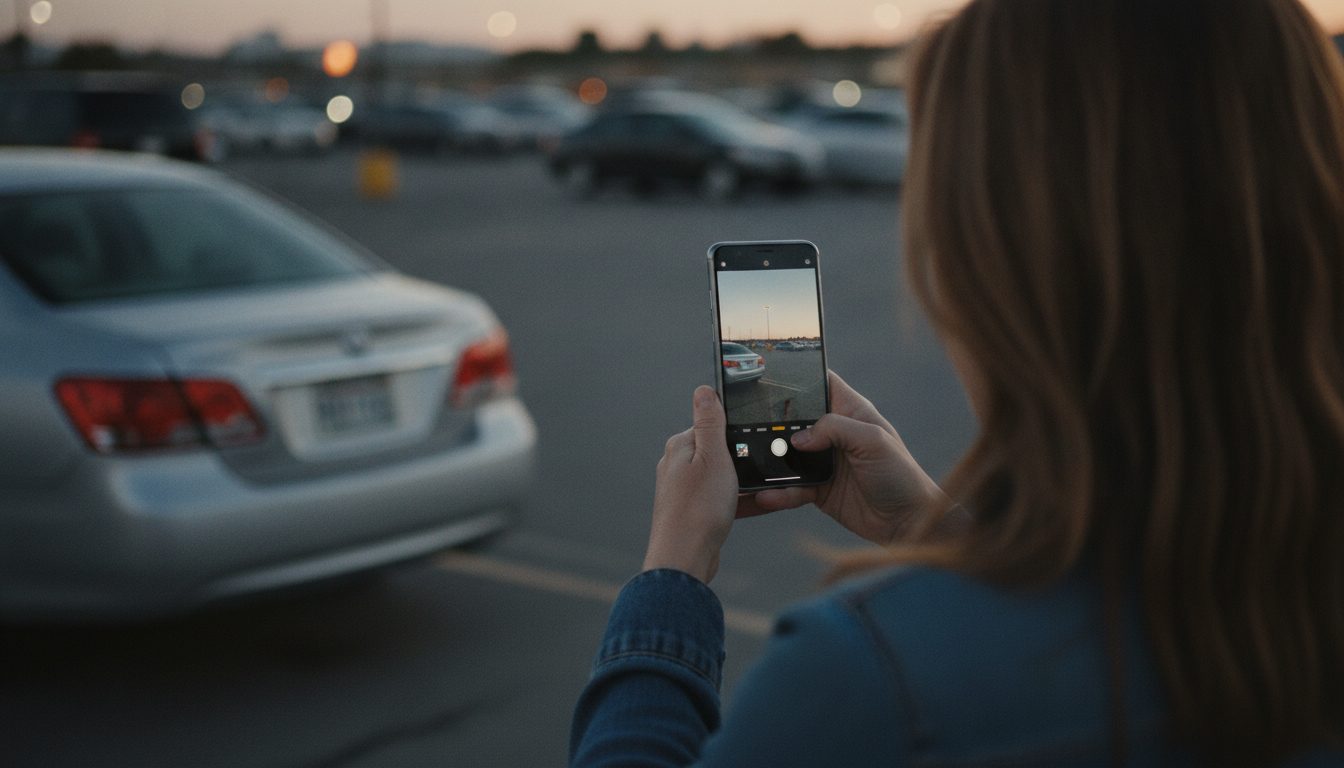
The text usually arrives at 9:40 on a weeknight: "Someone backed into me in the Kroger lot. What do I do?" Or it is a photo of a ceiling stain with no words at all. Your client does not think of the carrier's claims line first. They think of you, because your number is the one in their phone.
The agency does not adjust the claim, but the client judges you on it anyway. What you control is the communication: the loss reported the same day, photos in before the adjuster asks, and no two-week silences. Here is the text sequence for that, from first notice to payment, with templates, timing, and who on staff answers.
Where the agency sits in a claim
On a personal lines claim the agency reports the loss, helps gather what the adjuster needs, and keeps the client informed. Text suits all of it: the client is holding their phone at the scene, the photos are on that phone, and a status update does not need a call.
One detail makes the first reply matter more than it looks. In the NAIC's Unfair Property/Casualty Claims Settlement Practices Model Regulation, Section 6A says that "notification given to an agent of an insurer shall be notification to the insurer." States adopt the model in their own wording (the NAIC keeps a state-by-state chart of claims settlement provisions), so check yours, but the operational habit is the same everywhere: the date the client texted you is a date that matters. Log it, and report to the carrier that day.
Build the cadence around the carrier's clock
Check-ins work best when they land where something is due on the carrier side. The same NAIC model gives you the skeleton:
- 15 days: the insurer acknowledges notice of the claim (Section 6A) and replies to other claimant communications that expect a response (Section 6C).
- 21 days after proof of loss: the first-party claimant is told the claim is accepted or denied, or told why more time is needed (Section 7A and 7B).
- Every 45 days: if the investigation is still open, the insurer sends a letter explaining why (Section 7B).
- 30 days after liability is affirmed: payment is tendered when the amount is determined and not in dispute (Section 7F).
Your state's numbers may differ, so use them. Each date is a moment to text the client before they text you asking what is going on.
Text 1: the first-notice reply
Trigger: any inbound message that describes a loss. Timing: within the hour during business hours, and the same evening if your after-hours phone catches it.
Hi Dana, this is Marcus at Harbor Insurance. I'm sorry, that's a rotten way to end the day. First: is everyone OK and is the car safe to drive? Reply YES or tell me what's going on and I'll walk you through the next step.
The first message asks one question, about the person. The answer tells you whether this is an injury, a tow, or a dented bumper.
Once they reply:
Glad you're OK. Two things while you're still there: get the other driver's name, plate, and insurance card (a photo of the card is perfect), and take 4-5 photos of both cars from a few steps back. Text them here. I'll report this to Northfield tonight so the claim is open by morning.
No reply in 30 minutes: call. A silent client at an accident scene is the one point where a call replaces the text.
Text 2: the photo and document request
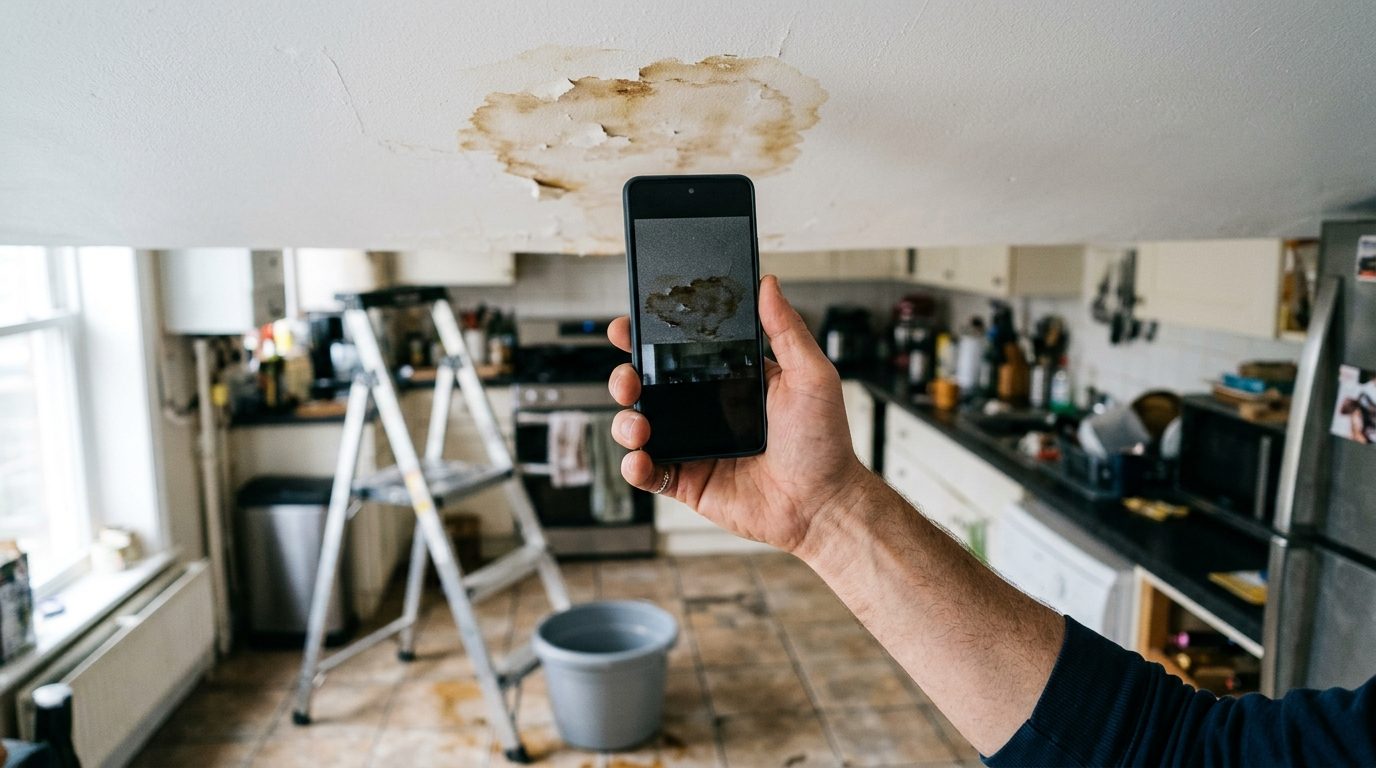 Trigger: claim reported to the carrier. Timing: same day, ideally within an hour of the report.
Dana, your claim is in with Northfield. Claim number ending 4471. To keep the adjuster from waiting on us, send me: photos of the damage (close up and from a few feet back), the police report number if one was taken, and a photo of the repair estimate if you get one. Just text them here as you have them.
Ask for everything in one list. Three requests over three days reads as disorganized, and the third gets ignored.
For a property loss, swap the list:
For the water damage, the adjuster will want: photos of the stain and the area around it, a photo of where you think it's coming from, and any plumber's invoice once you have one. Don't throw away damaged items yet; photograph them first.
No reply in 48 hours: one short nudge.
Hi Dana, just checking you got my list. Even two or three photos today will get the adjuster started.
Still nothing after another 48 hours: call, and note it in the file. Clients often assume the carrier already has the photos.
Text 3: the adjuster handoff
Trigger: the carrier assigns an adjuster. Timing: as soon as you know.
Good news: your adjuster is Priya Shah at Northfield, direct line (555) 201-8830. She'll reach out within a couple of days to schedule an inspection. If you hear nothing by Thursday, text me and I'll chase it.
Routine questions now go to the adjuster, and "if you hear nothing by Thursday" keeps a quiet week from becoming an angry call on day ten.
The quiet middle: check-ins on the carrier's dates
Frustration builds in the stretch where nothing visible happens. Schedule these when you send Text 3, so nobody has to remember.
Day 7 check-in:
Hi Dana, Marcus here. Checking in on your claim. Has Priya been out to look at the car yet? Reply with where things stand and I'll follow up with Northfield if anything is stuck.
Day 21 after documents are in:
Dana, it's been about three weeks since your photos and estimate went in. Have you heard whether the claim is approved? If not, I'll call Northfield today and find out where it is.
Every 45 days on a long claim (roof, fire, liability with a third party):
Hi Dana, a quick update on the roof claim: Northfield is still waiting on the contractor's revised estimate. I'll check again on the 15th. Text me anytime if something changes on your end.
A client who hears from their agent every few weeks forgives a slow claim. One who hears nothing shops the policy at renewal.
When the client goes quiet
Silence mid-claim can mean things are fine, the client is stuck without knowing it, or they are unhappy and not saying so. You cannot tell which, so two unanswered check-ins in a row means a call. Then put the call note back in the thread so the record stays in one place:
Thanks for the call, Dana. As discussed: Northfield needs the rental receipt, and I've asked Priya to confirm the payment date. I'll text you Friday.
Who answers the claim thread
 Decide this before the next storm.
- The CSR or account manager owns the thread from Text 1 to the payment. The producer is copied on large losses but does not take the replies, because a claim thread that moves between three people produces three different answers.
- After hours, a forwarding rule sends inbound texts on the agency line to the on-call phone or to a Telegram channel the staff watch. Android Texter's forwarding rules match on patterns, so a message containing "accident," "water," or "damage" can go straight to whoever is on call.
- An auto-reply covers the gap after hours: "Got your message. If anyone is hurt, call 911. For a new claim you can also call Northfield's 24-hour line at (555) 000-0000. I'll reply first thing in the morning." Check the carrier's real claims number before you save it.
- Quick replies hold the standard texts. Save Text 2's photo list as
/photos, the property version as/water, and the day-7 check-in as/check. Android Texter tracks how often each quick reply is used, which tells you which ones the team relies on.
A front-desk line and a commercial lines manager's line can both be paired to one account, so every claim thread sits in one inbox.
Closing the claim
 When payment lands, send one more:
Dana, Northfield shows the payment went out today. Did it arrive and does everything look right? If anything's off, tell me before you sign off on the repair.
Then, a week later, once the car or the house is fixed:
Glad that's behind you. If you have a minute, a quick review helps other people find us: [link]
Only send that after a claim that ended well. After a denial, the last text offers a call to talk through the options.
Tag the contact so the renewal conversation starts with how the claim went, using the sequence in our insurance renewal text playbook.
Measuring it
Three numbers are enough:
- Time from first client text to carrier report. Same day is the target.
- Time from claim report to complete documents. This is the number the photo request is designed to shrink.
- Inbound "any update?" texts per claim. If clients are asking, the check-ins are landing too late. Move them earlier.
Consent, opt-out, and what stays out of the thread
A claim thread usually starts with the client texting you about their own claim, which is a different position from a marketing list. Still capture consent to text at the point of sale and keep the record. If a client replies STOP, honor it immediately. Android Texter does not suppress opt-outs automatically, so the agency has to keep that list and check it. Our guide to TCPA opt-out rules covers what counts as a revocation.
Keep sensitive data out of SMS: partial claim numbers only, and no bank details, Social Security numbers or medical records by text. Use a secure portal or the carrier's upload tool. This is not legal advice; check with your E&O carrier and your state department of insurance on anything specific.
Frequently Asked Questions
Should an insurance agent text a client about a claim or call them?
Both, at different points. Text is better for the photo and document requests, the adjuster handoff, and the routine check-ins, because the client can answer in their own time and the photos come back in the same thread. Call when someone is hurt, when a client goes quiet twice in a row, and when the news is a denial.
How often should an agency check in during an open claim?
Line the check-ins up with the carrier's dates: a day-7 check, a check around 21 days after the documents are in, and a short update every 45 days on a long claim. Under the NAIC model, those are the points where the carrier owes the client a decision or an explanation, so they are when clients start wondering.
Can clients send claim photos by text?
Yes. Photos sent by MMS land in the same conversation thread as the rest of the claim, so the CSR has the photos, the request and the client's notes together. Forward them to the carrier through its normal channel. For anything sensitive, such as medical records, use a secure portal instead.
Does my agency need Android Texter to do this?
Not necessarily. Insurance is a mainstream vertical, and an agency can usually get a registered A2P campaign approved, often inside its agency management system. Android Texter suits an agency that wants to text from a number clients already know, without brand registration and campaign fees, at the moderate volume a claims desk actually sends.
Run your claim texts from the agency line
Claims are when a client finds out whether their agent picks up. Android Texter sends from an Android phone on your agency's own number, with a shared inbox, quick replies for the standard claim texts, scheduled check-ins, and after-hours forwarding to whoever is on call. Pair your first phone and set up the /photos quick reply before the next loss comes in.